Fits For Models
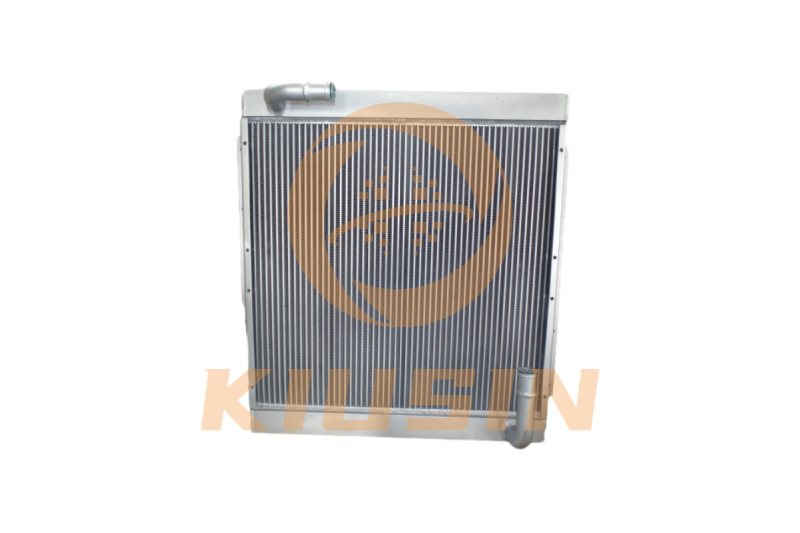
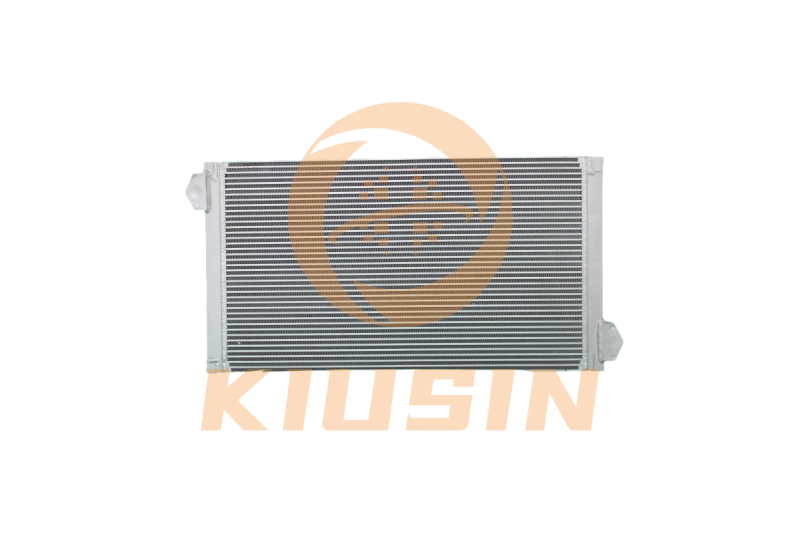
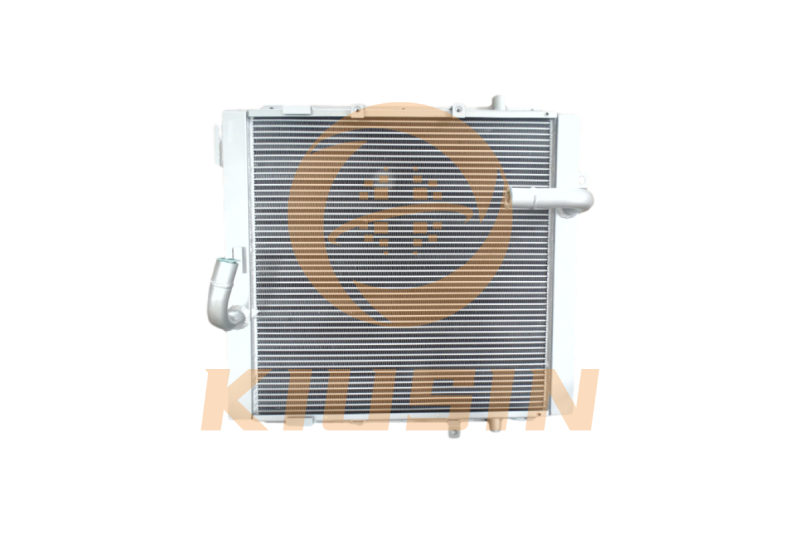
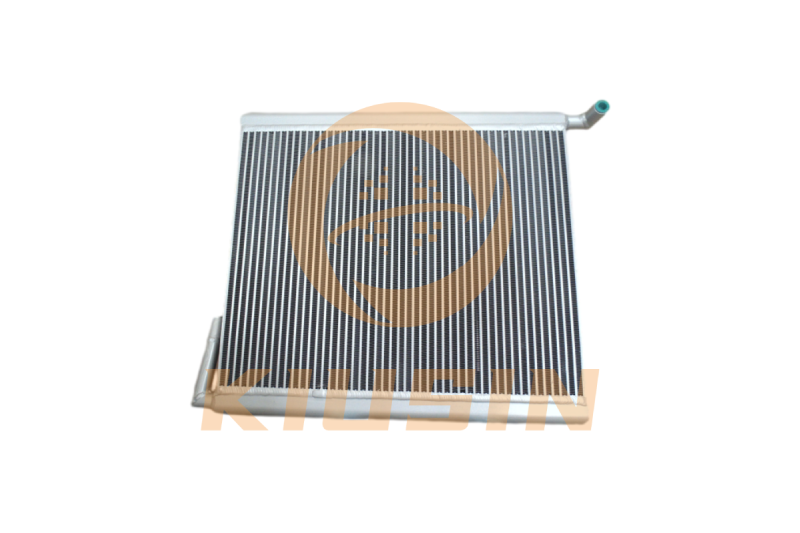
Specification
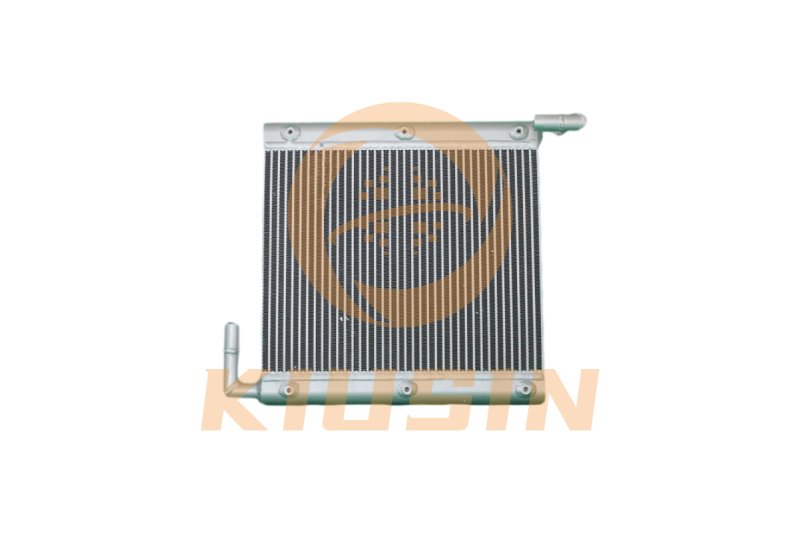
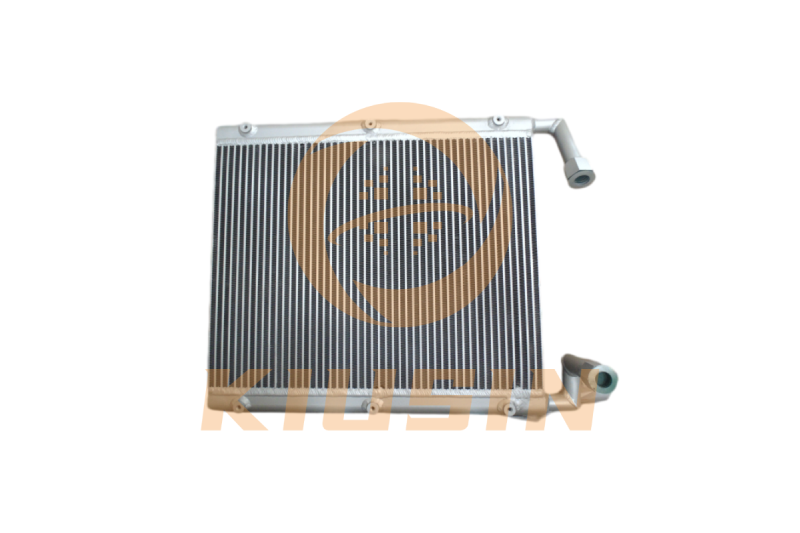
| Product name | Aluminum Plate Fin Heat Exchanger For Kobelco Construction Radiators |
| Material | High-grade Aluminum |
| Structure | Plate Fin |
| Application | Suitable for Radiators in Construction Machinery |
| Dimensions | Customizable to fit specific models and requirements |
| Certifications | ISO 9001:2015 Certified for quality assurance |
Reasons To Choose Our Products
1. Lightweight construction
Our heat exchangers are designed to be lightweight, reducing overall vehicle weight and increasing fuel efficiency.
2. Enhanced corrosion resistance
The high-quality aluminum materials used in our heat exchangers provide excellent resistance to corrosion, ensuring a longer lifespan for your radiator.
3. Improved heat dissipation
The unique plate fin design facilitates rapid heat dissipation, preventing overheating and maintaining ideal operating temperatures.
4. Customizable options
We offer a range of customization options to suit your specific requirements, ensuring a perfect fit for your construction machinery radiator.
Frequently Asked Questions
What materials are used in the Kobelco construction radiators?
Our heat exchangers are manufactured using high-grade aluminum, which provides excellent durability, lightweight performance, and enhanced corrosion resistance.
How does the plate fin design improve heat dissipation?
The unique plate fin structure increases the surface area for heat exchange, facilitating rapid heat dissipation. This prevents overheating and maintains optimal operating temperatures.
Are the dimensions of the heat exchangers customizable?
Yes, we provide fully customizable options to fit specific construction machinery models and meet your exact installation requirements.
What certifications do your products hold?
Our manufacturing processes and products are ISO 9001:2015 certified, ensuring high-quality assurance and consistent performance.
How does lightweight construction benefit construction machinery?
By utilizing a lightweight aluminum construction, the overall weight of the vehicle is reduced, which helps to increase fuel efficiency and reduce energy consumption.